
Revolutionizing the Browse Experience
Design Sprint Date: 07.2025
My Role: User Research, Workshop Lead, Prototyping, UX Design & Data analysis
From 53 Iterative Experiments to a Unified Product Vision
The Mission
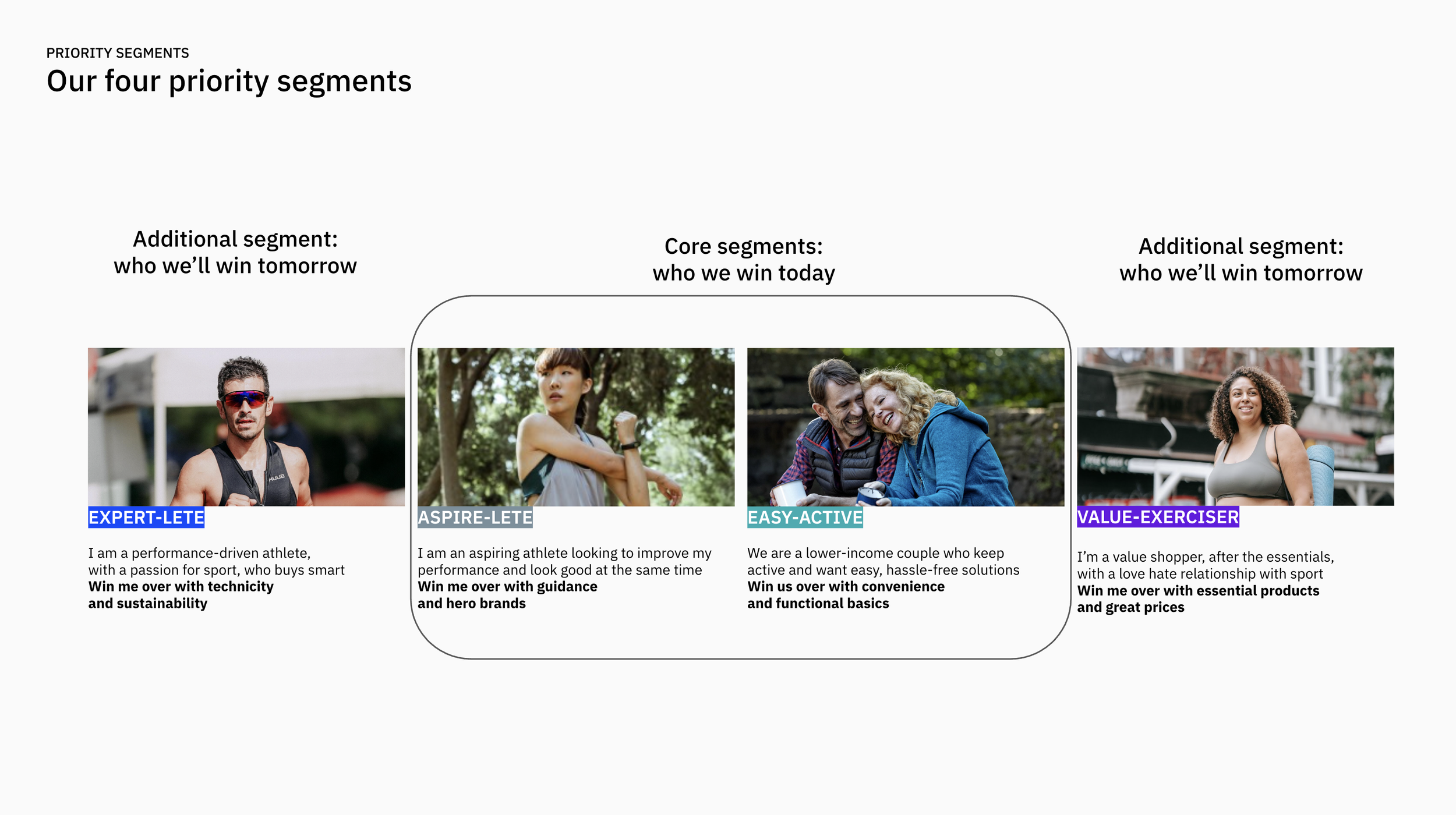
Empower "Aspire-lete" and "Easy-active" users to find their perfect product shortlist with total confidence.
The Catalyst
Fusing the Browse and Compare engineering teams to create a singular, coherent user journey.
The Result
A validated roadmap for Q4 2025 - Q2 2026, featuring AI-powered smart filtering and a high-performance product card.
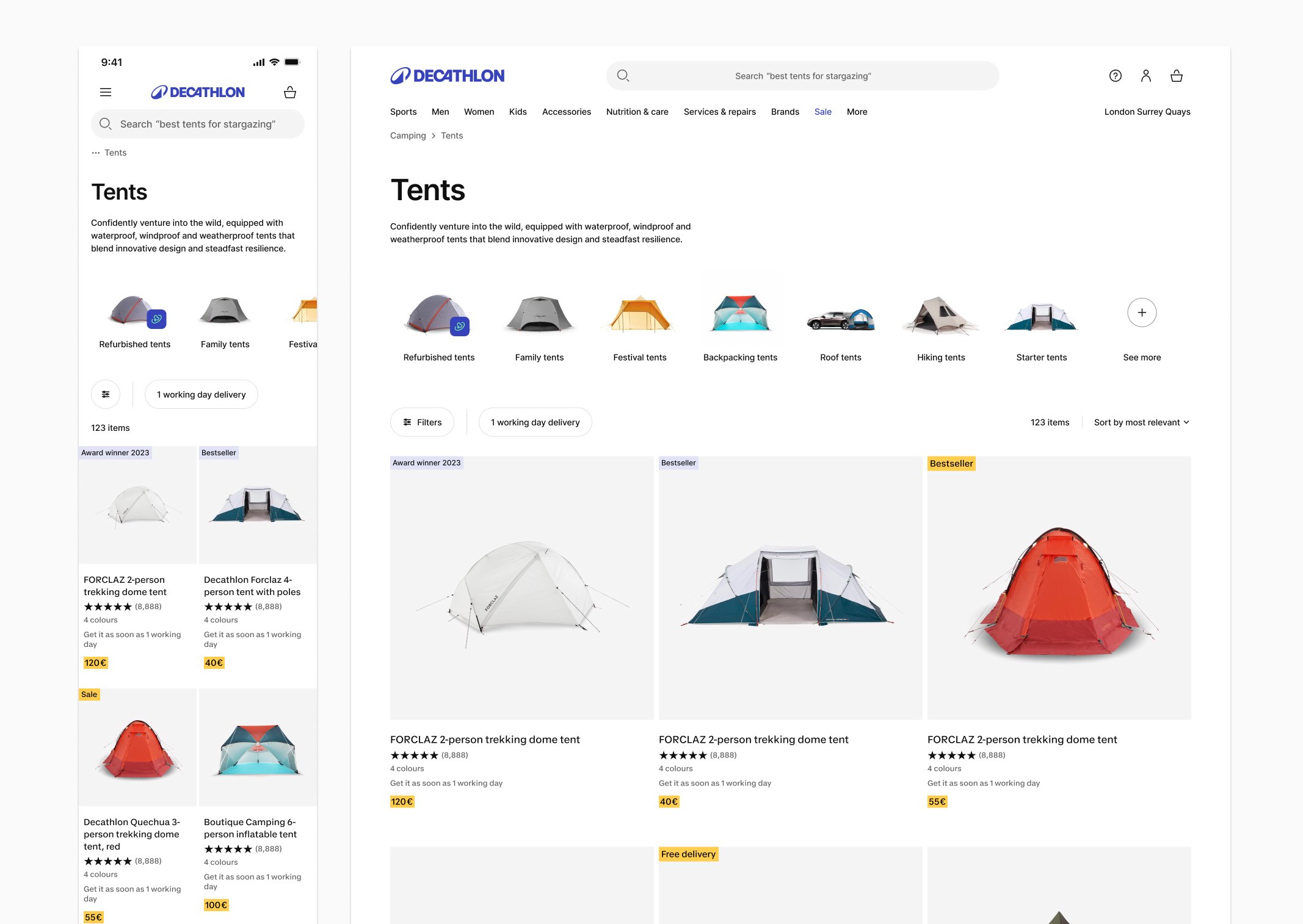
New Product Card brings 0.64+ CVR uplift
Design Process
Sprint Foundation: Strategy & Problem Mapping
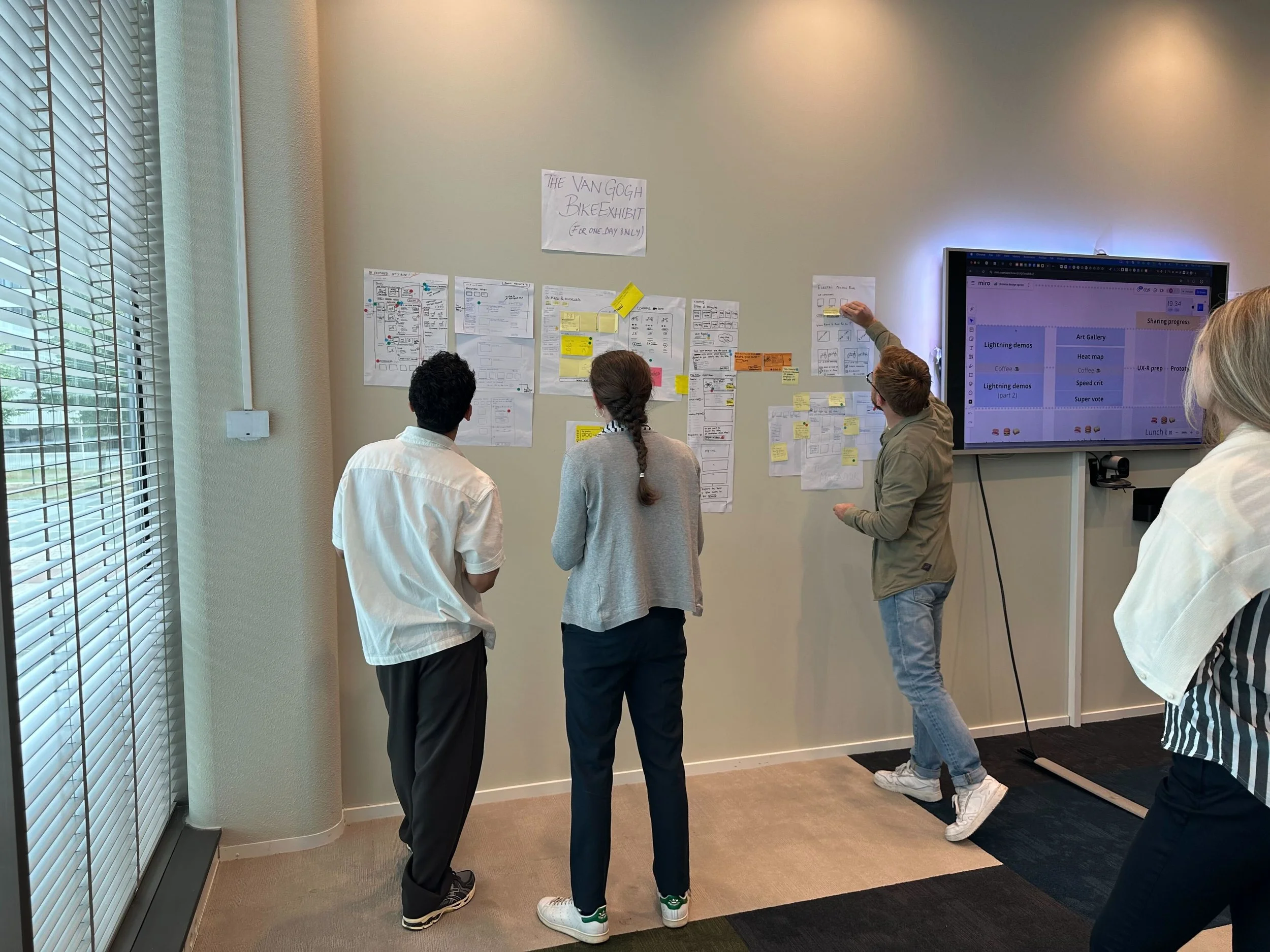
Execution: 3 Days Design Sprint
Redefining Scope
Final Validation: A/B Testing & Roadmap
Step 1:
Sprint Foundation : Strategy & Problem Mapping
Before the design sprint, the Content Designer, PM, and I defined the HMW questions, identified target customer segments, and aligned on sprint goals, risks, and success metrics.
Brainstorm HMW questions
💡HMW present information in a clear, scannable and relevant to the users needs and goals?
💡HMW guide users so that they feel more confident about their choices?
💡HMW help users compare products and choose the right product for them?
Sprint Goal
“Aspire-lete and Easy-active users are guided and inspired to identify easily and with confidence a small selection of products matching their need and sport goals on the PLP, before going to the PDP to finalize their choice.”



Step 2:
Execution - 3 Days Design Sprint
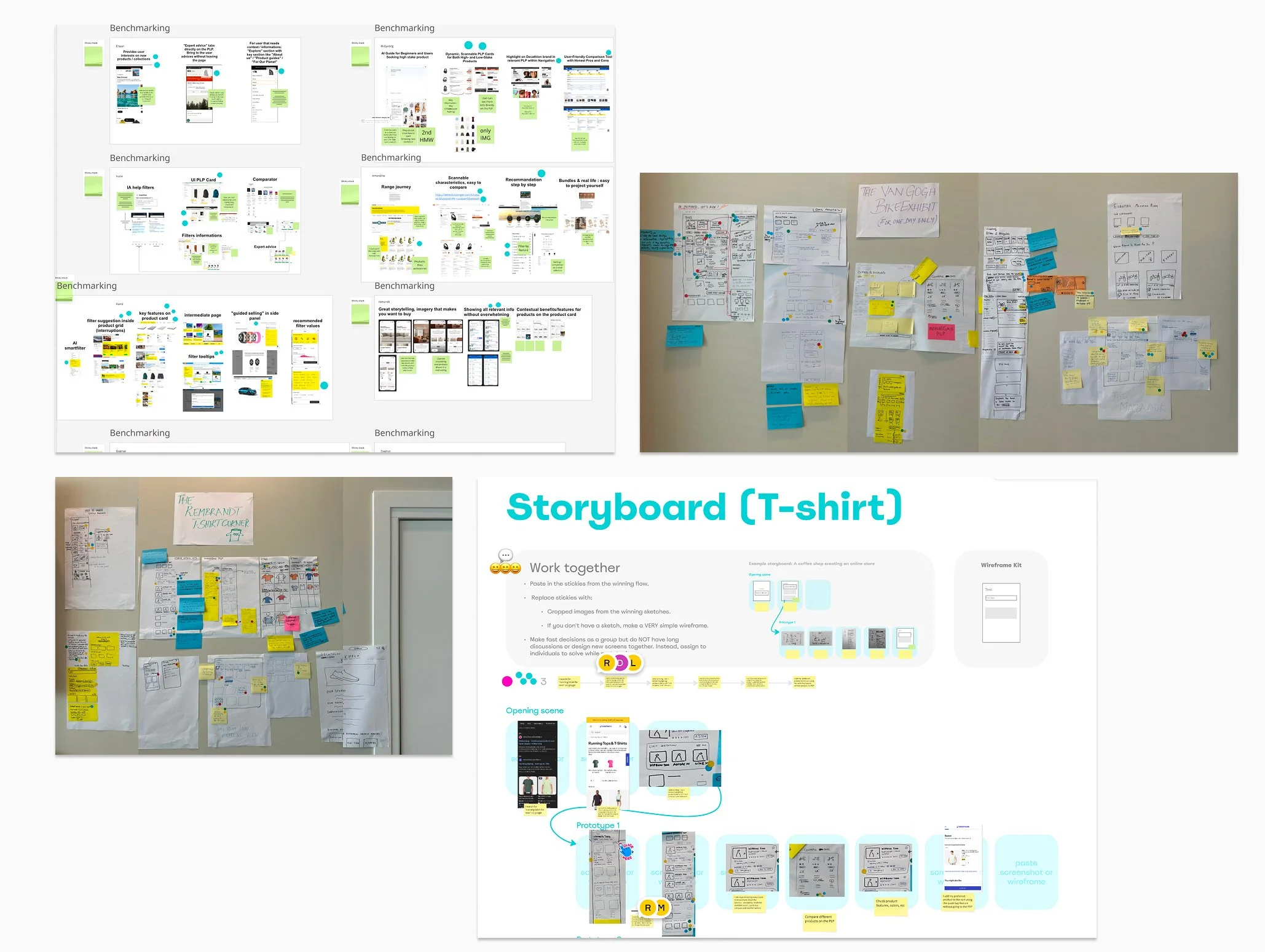
I led a high-intensity 3-day Design Sprint to transform the Browse experience. We started by defining three key “How Might We” questions centered on improving scannability, boosting user confidence, and enabling seamless comparison, addressing the “shortlist paradox,” where users left the platform to seek external advice.
Through rapid benchmarking and hypothesis generation, we prioritized two product categories: a high-stakes product (mountain bike) and a low-stakes product (t-shirts). I then translated these insights into two high-fidelity prototypes, which were subsequently validated through user testing conducted by our UX researcher.
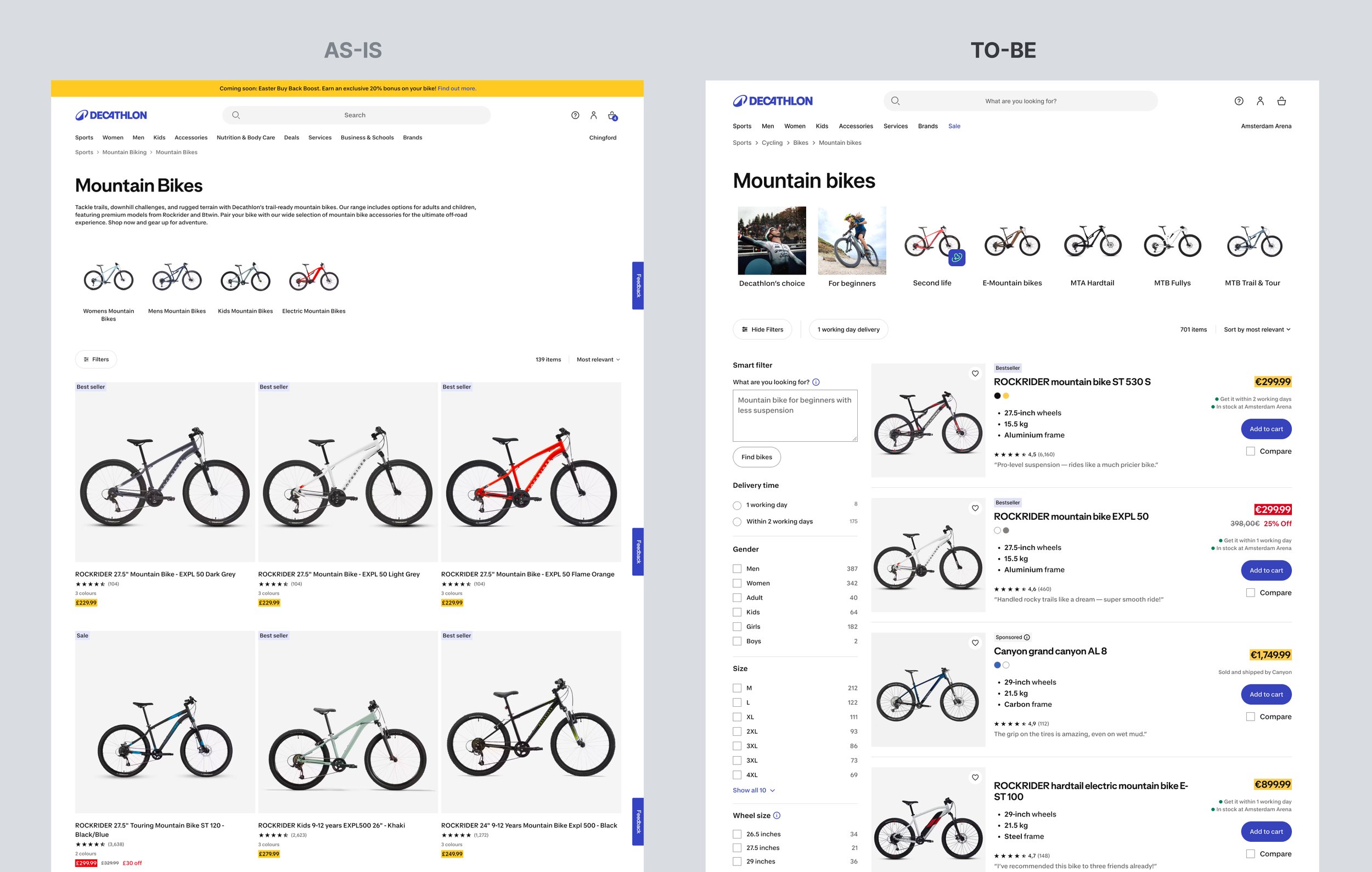
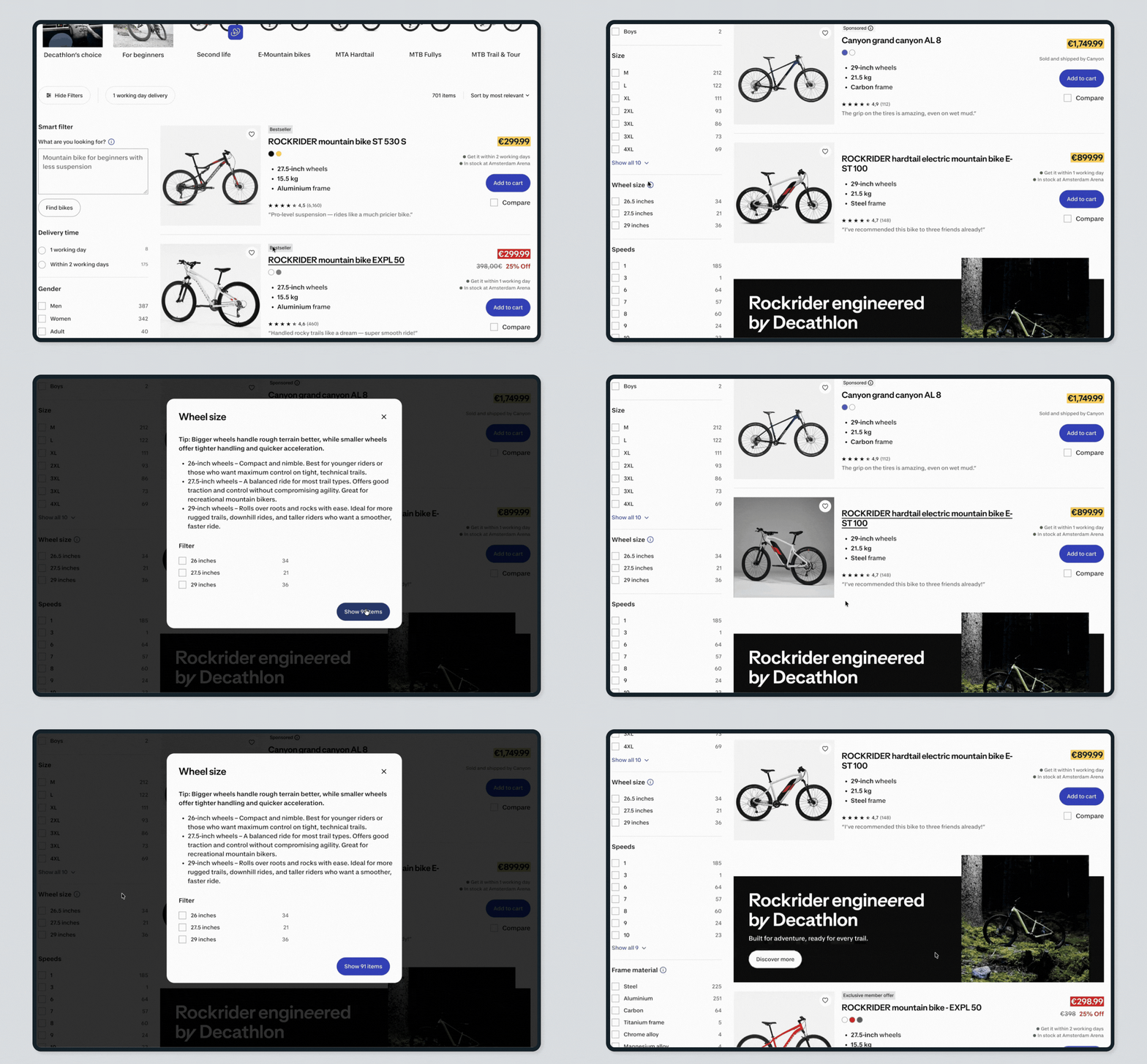
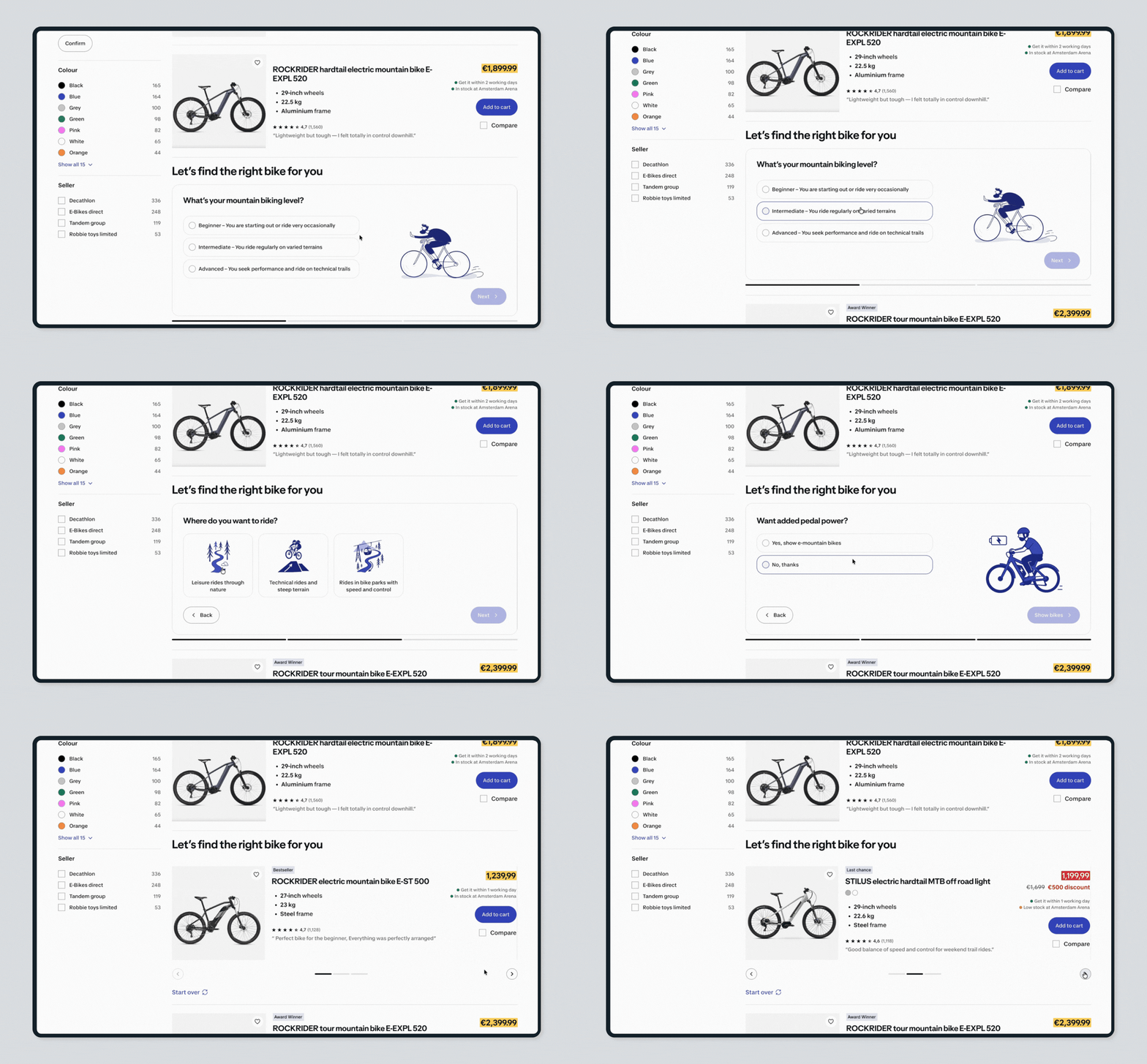
2-1 Desktop Prototype
01 Product Card
Showcasing key product attributes and a secondary image to build confidence in decision-making.
02 Filter
Explain filter titles and values so users immediately understand their purpose and feel confident in defining filters.
03 Encourage customers to visit their preferred store
Help them confidently evaluate high-value products and make a final decision.
04 Guided Selling Tool
Supporting users with little or no knowledge to make a decision
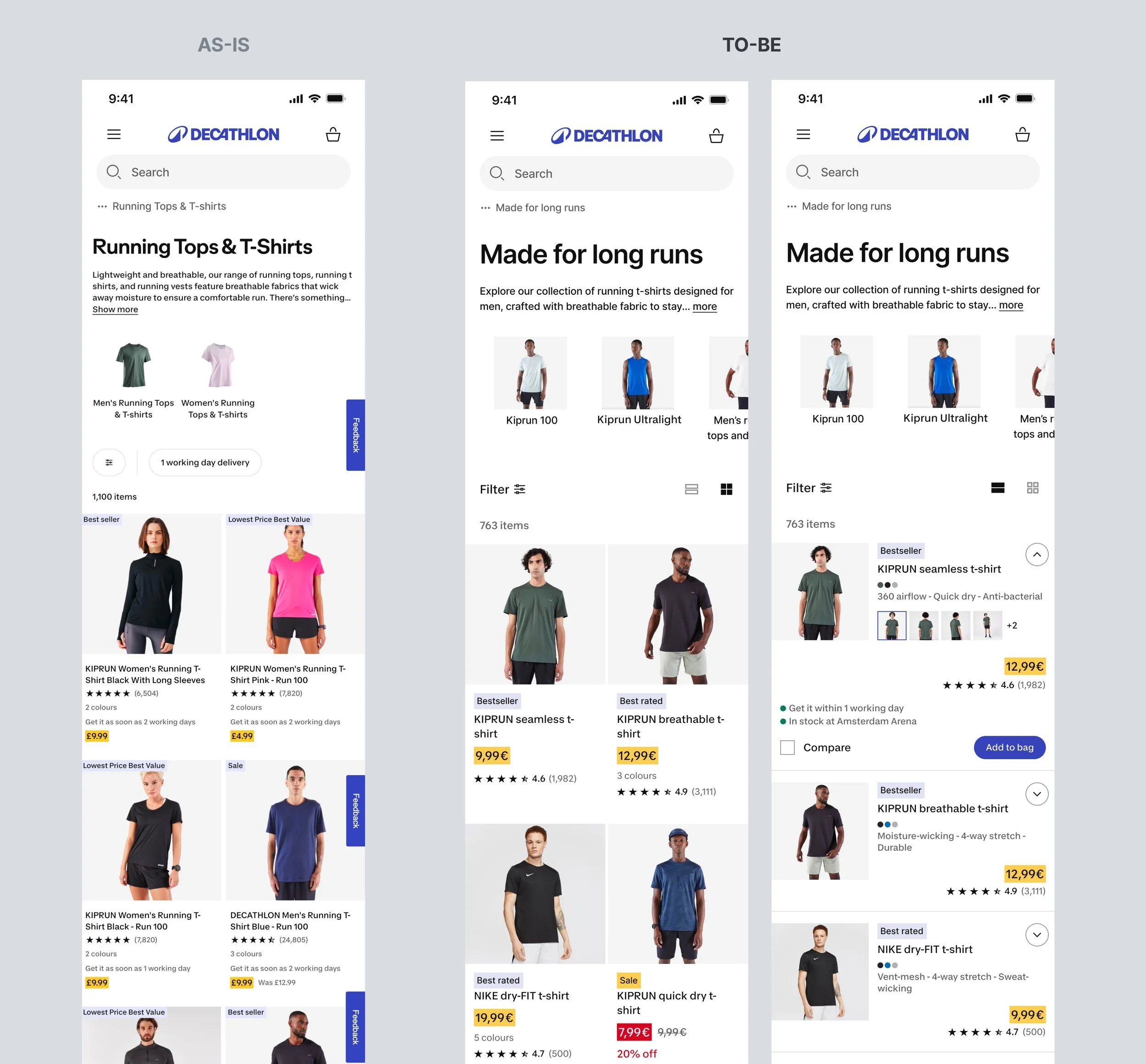
2-2 Mobile Prototype
01 Show a range of products
Curates guidance based on user needs, experience levels, and occasional events. In the future
02 Switch the layout to match user purpose
Grid view ⇄ List view
03 Expand the PLP list card
Showcase key attributes and different angles of the product
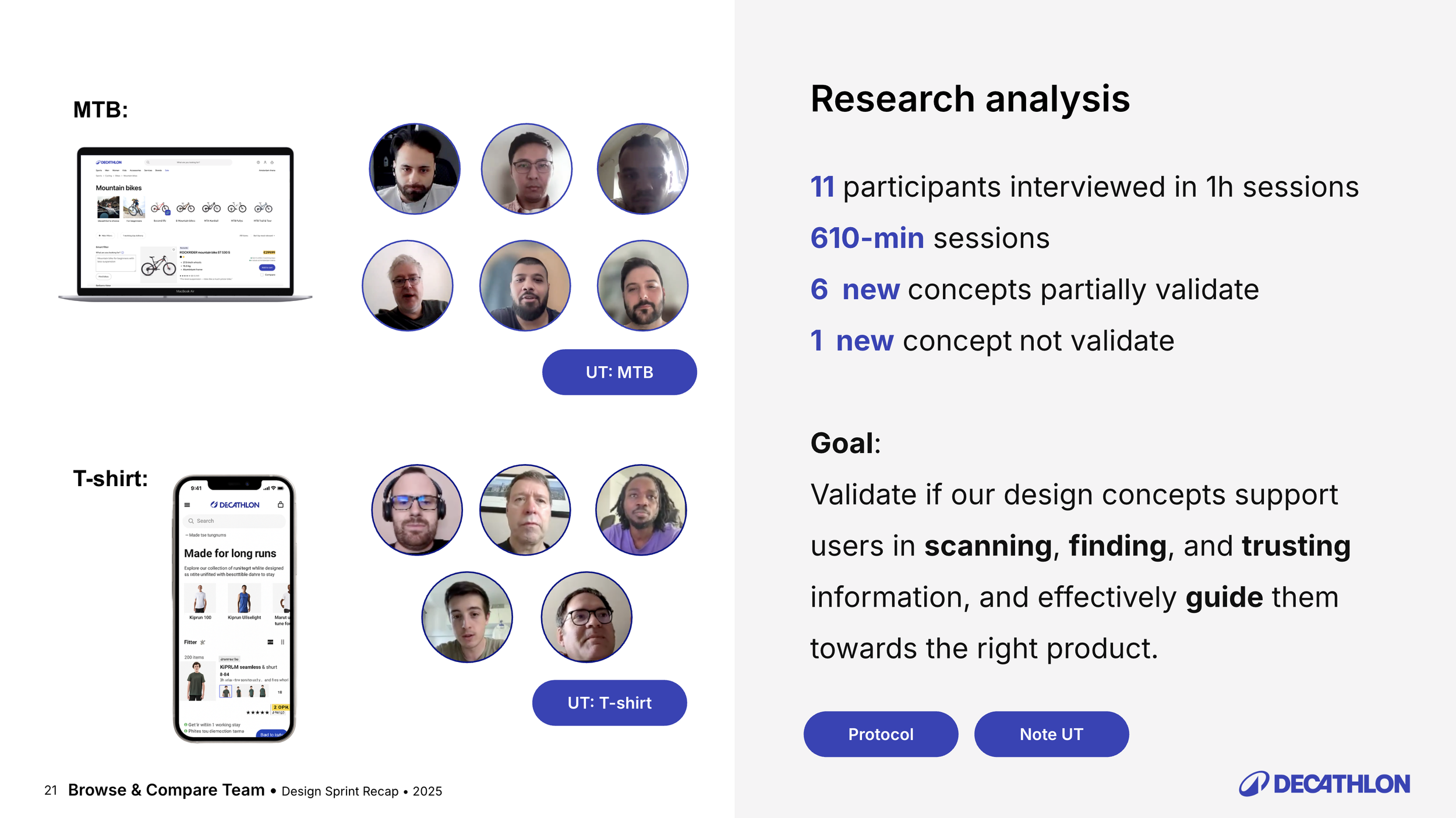
2-3 Validate Prototypes
Desktop Experience (High-Stake: Mountain Bikes)
Overall Usability: Participants found the prototype clean, structured, and easy to navigate.
Product Card Success: The standardized 3-bullet specs were highly effective for quick comparison and ruling out non-relevant products.
Filter Tooltip: Tooltips can build trust and support decisions, especially for beginners
Guided Selling Tool: Trust collapses. Users expect to see more than 3 bikes on a new page
Critical Friction: "Brand Banners" were rejected as promotional interruptions
Mobile Experience (Low-Stake: T-Shirts)
Intent-Based Discovery: The "Made for Long Runs" carousel was successfully validated as an intuitive, activity-based shortcut.
Layout Flexibility: The Grid vs. List view toggle was well-received, with Grid used for quick scanning and List for deeper evaluation.
The Size Deal-Breaker: A major insight revealed that 4 out of 5 users consider visible size availability a "deal-breaker" for shortlisting on the PLP.
Step 4:
Final Validation: A/B Testing & Roadmap
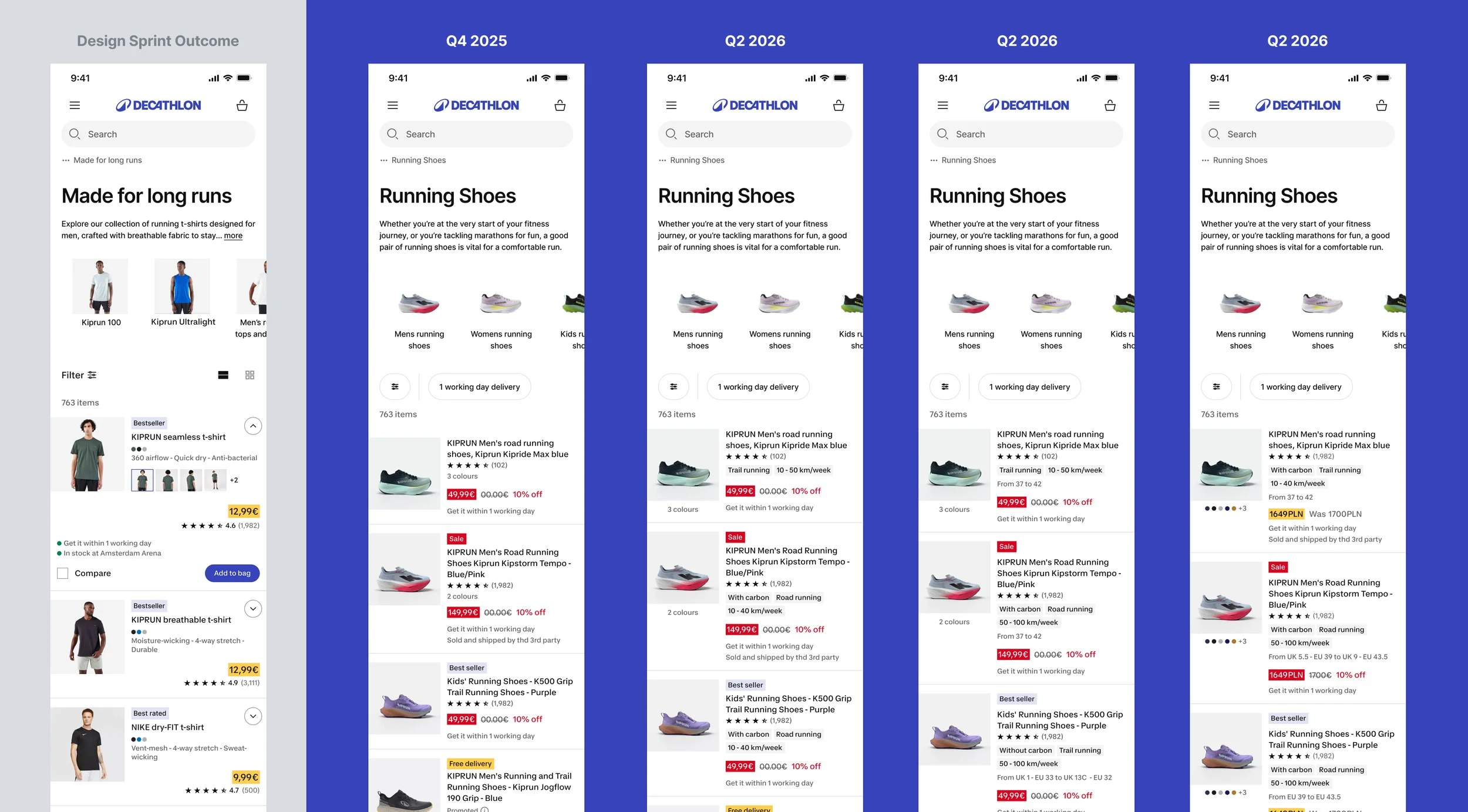
Based on the key takeaways and the RICE score calculation, we decided to focus on the product card. The new product card design has been implemented incrementally, divided into multiple iterations on the roadmap:
Q4 2025: List card design
Q1 2026: Addition of key attributes generated by AI
Q2 2026: Introduction of available sizes and color indicators
Business Impact of the list card design
0.84%+
CVR uplift
€ 9M Business Impact
(12 months)